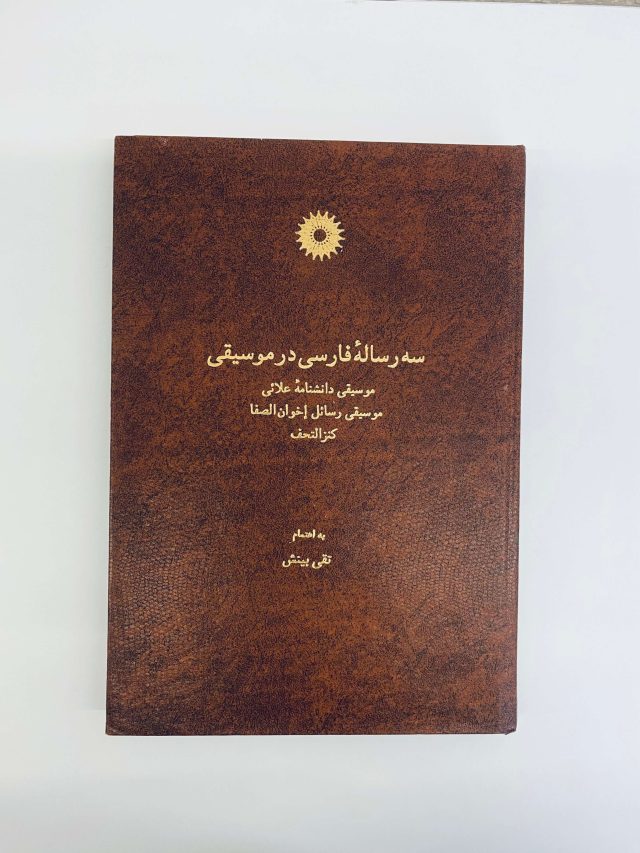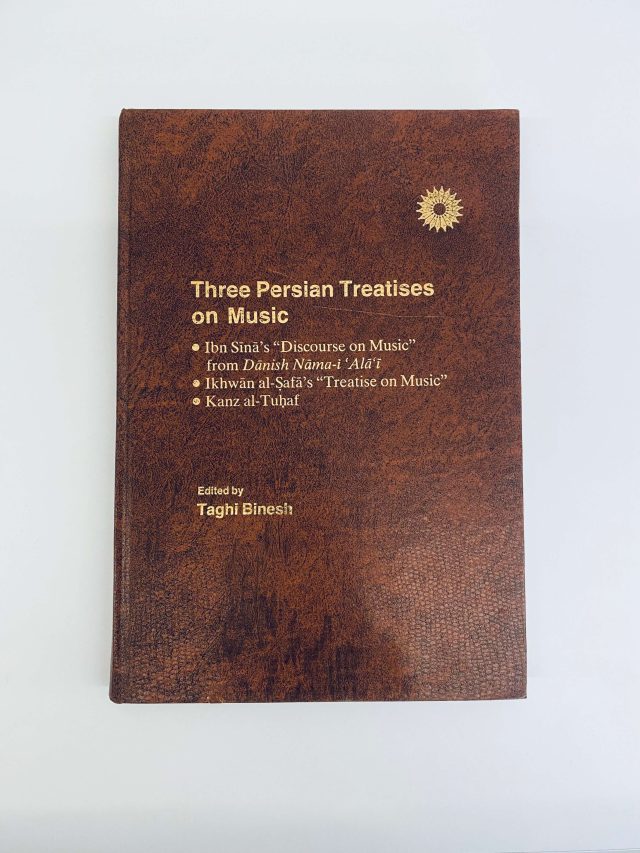
Yesterday marked the commemoration of Avicenna (Ibn Sina, c. 980–1037), one of the greatest Persian philosophers and scientists of the 10th–11th centuries. I did not want to miss the opportunity to return to one aspect of his extraordinary intellectual legacy: his writings on music.
Active across the Persianate world during the 10th and 11th centuries, Avicenna was not only a remarkable physician and philosopher, but also an important contributor to the theory of music.
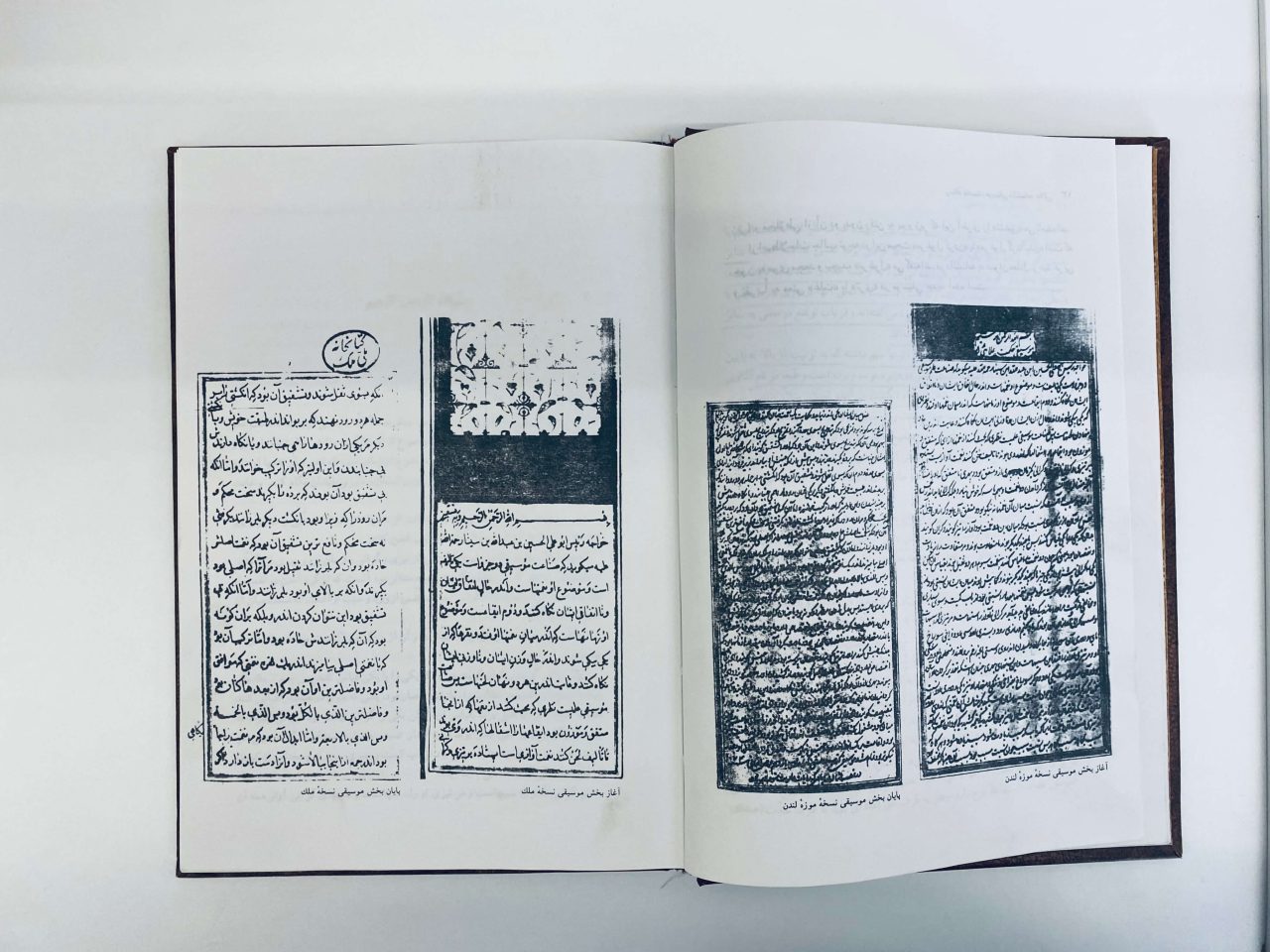
In his Treatise on Music and in the Danishnama-ye Ala’i (Book of Knowledge), he discusses musical sound, intervals, proportions, scales, and the mathematical principles underlying musical organization. What I find particularly fascinating is the way he approached music not merely as an art, but also as an intellectual discipline connected to mathematics, philosophy, and the nature of sound.
For a composer today, returning to these texts is not simply an exercise in the history of music. It is an opportunity to rediscover questions that remain remarkably relevant to sound, its organization, the creation of structure, and the way thought becomes audible.
As a composer, I find it deeply inspiring to encounter these ideas again—not simply as historical documents, but as part of a continuing conversation about sound, structure, knowledge, and musical thought.
On the occasion of Avicenna’s commemoration, I am happy to return once again to his writings on music and to a remarkable tradition of Persian scholarship that continues to inspire us today.
Mehdi Hosseini
Composer